

Description
According to a rabbinic legend which surfaced in early medieval manuscripts by kabbalists like R. Eleazar of Worms,* the Hebrew word “Maccabee” is an acronym (MaKaBY | מכבי) of the watchword and rebel yell of the Jewish warriors who followed Judah the son Mattityahu: “Who is like unto Thee amongst the gods, O LORD?” (Exodus 15:11): Mî-Kamôkha Ba’elîm YHWH (‘מִי־כָמֹכָה בָּאֵלִם י).
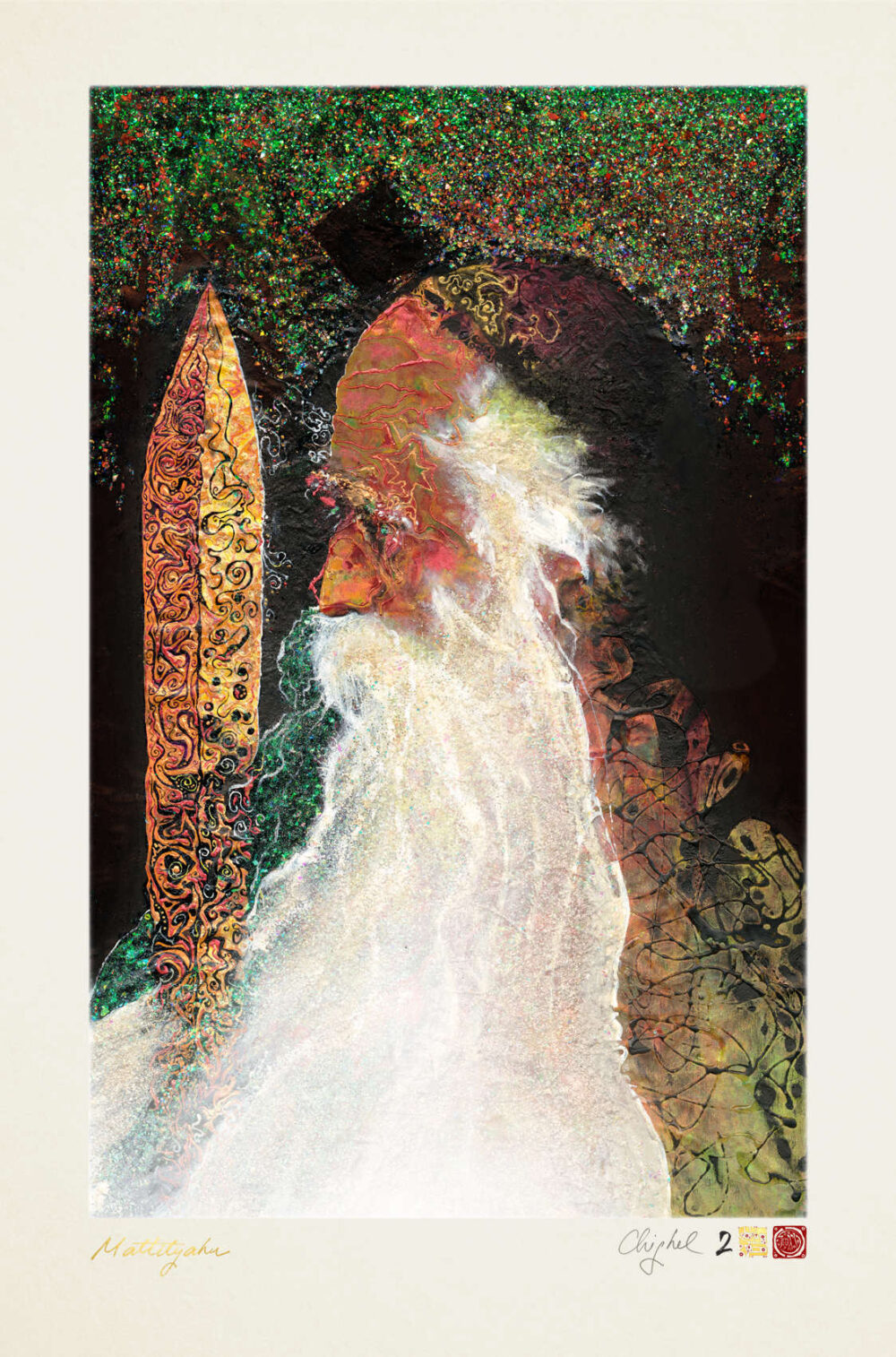
This print is based on a multimedia portrait of the old man himself, the father of the Judah and hence of the spiritual father of all the Maccabees: Mattityahu haKohen ben Yoḥanan (d. 166–165 BCE). Mattityahu was the kohen (priest) who ignited the Maccabean Revolt against the Hellenistic Seleucid Empire which wanted to extinguish the fires of the Holy Temple and hence the fiery love in every Jewish heart for the LORD, for HASHEM.
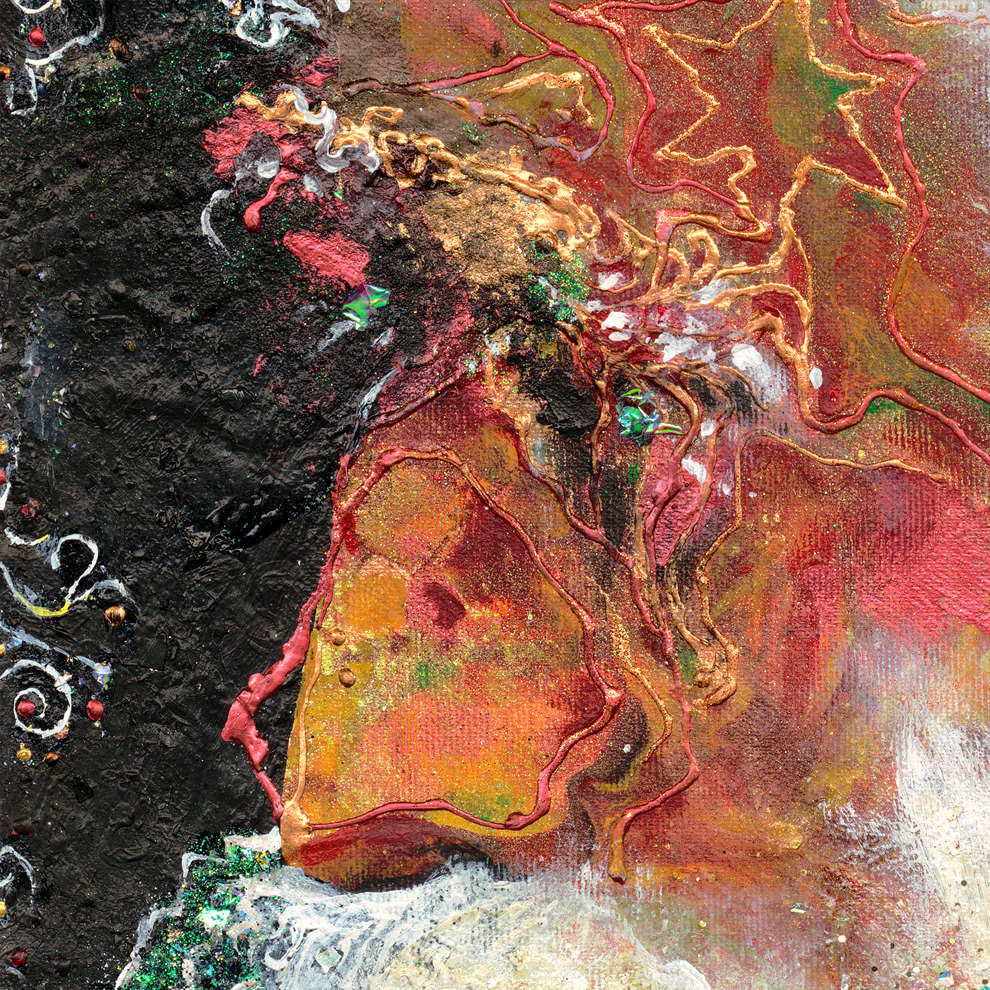
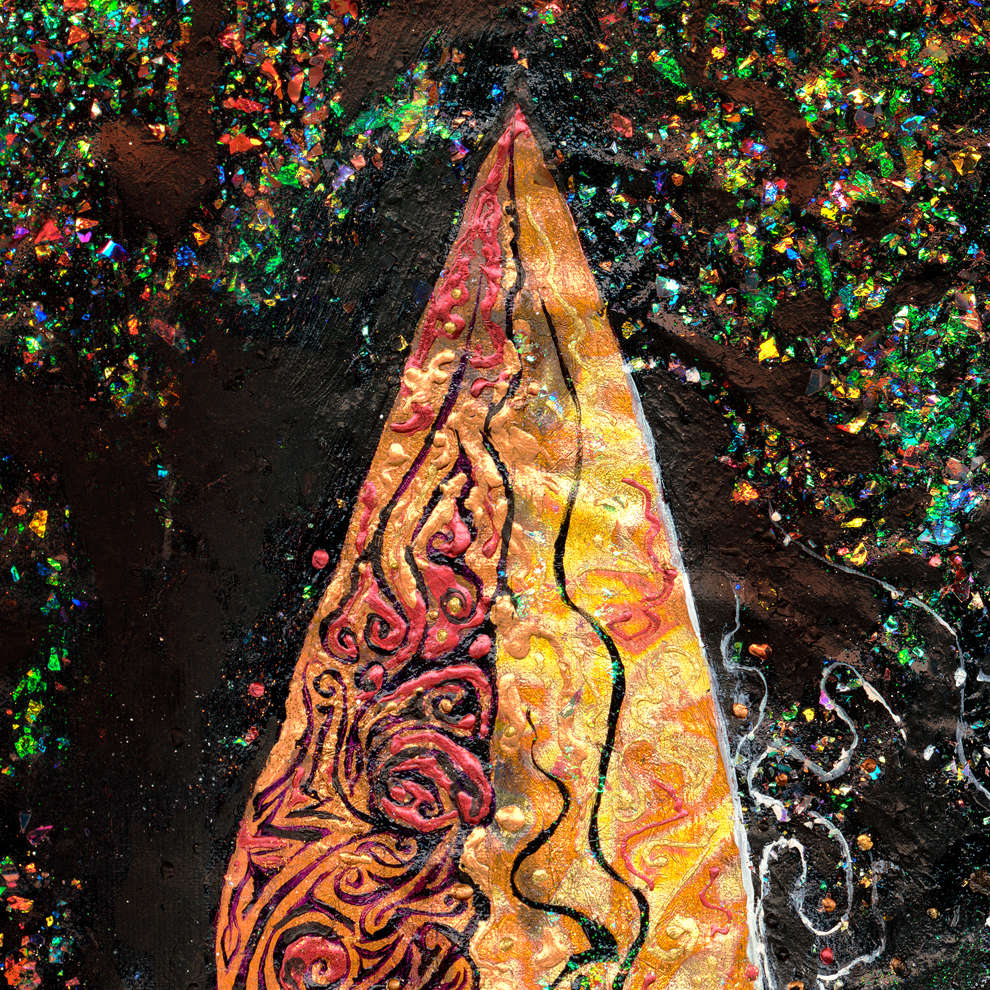
Visually, the figure is dominated by an impressive white beard which bespeaks Mattityahu’s advanced years. And through this beard juts a sword, ready for battle. The juxtaposition is of course intentional. It is not in the nature of old men to gird their loins for battle. But herein lies the old man’s absolute trust in the Supernatural. The Maccabees are to do the fighting. But the Maccabee war cry recalls the words of the Song at the Sea: “HASHEM is a man of war … Who is like unto Thee amongst the gods, O HASHEM?” (Exodus 15:3-11)
The First Book of Maccabees (2:24-25) recounts how Mattathias (as he was called in Greek) slew the general of Antiochus IV Epiphanes “upon the altar.” This print imagines the moment of the sword’s unsheathing.
*See R. Eleazer’s teachings as transmitted in the Siddur of R. Naphtali Hirsch Treves, מלאה הארץ דעה (Tiengen, 1560), s.v. חנוכה, page 301 (s.n.). Cf. R. Abraham ben Jacob Saba, צרור המור (Venice, 1567), Va’etḥanan, p. 134b; זוהר ומדרש הנעלם (Thessaloniki, 1597) Tiqqunim, p. 3b (ספרא תניינא כג). Cf. 2 Macc. 12:37: ἀναβοήσαντες τὴν πάτριον φωνήν.